How to Pack Mismatched Items for Shipping
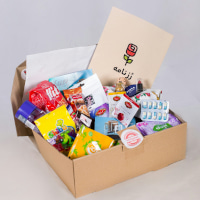 Shipping several items of similar size and shape, such as books or T-shirts, is simple and straightforward. But what about shipping a box of mismatched items? For example, what if you need to send a care package to a friend containing a book, a mug, and their favorite snacks? Read on to learn how to pack mismatched items for shipping so that they all arrive safely.
The key to properly packing mismatched items is to pack each item individually first. The packing method depends on the type of items being shipped. For example, non-delicate clothing items, such as T-shirts, only require a plastic bag or envelope. When shipping a book, sandwich it between two pieces of cardboard, wrap it in paper, and secure the paper with tape to hold the cardboard in place.
Fragile items should be wrapped in bubble wrap or foam for extra protection. If the items are susceptible to dirt or water, place them in plastic bags before wrapping them. Items that come in boxes can be shipped in their original packaging, as long as it isn’t too large. If the item shifts around inside its original box, wrap it in bubble wrap and put it back in the box.
The next step is to choose the right box for your miscellaneous items. You will need a large enough corrugated box to fit the items and a couple inches of cushioning on all sides. Do not use a box that is too small or too large, as this can lead to damage its contents.
Layer the bottom of the box with about two inches of cushioning material, such as bubble wrap or packing peanuts. Arrange the heavier items at the bottom of the box, distributing their weight evenly. Place the light and fragile items on top of the heavy items. Arranging all the items just right may take some time; think of it as a game of Tetris. Leave some space between the items and each side of the box for cushioning.
Once you are satisfied with how the items are arranged in the box, fill any empty spaces with crumpled paper, packing peanuts, or other cushioning materials. Close the flaps and gently shake the box to ensure the items do not shift or rattle. If they do, you may need to rearrange the items or add more cushioning. Finally, place another two-inch layer of cushioning material on top of the items, then close the box.
Use high-quality packing tape to seal the box. The H-tape sealing method, which covers all the seams, is considered the most reliable. Begin by taping the main center seam where the top flaps meet, extending the tape at least two inches down each side of the box. Then, tape along the two perpendicular seams at the ends of the box, and wrap a line of tape around all four sides for extra stability.
After sealing the box, perform one more shake test. If you hear the items shifting or rattling, open the box, rearrange the items, add more cushioning material if necessary, and then re-seal the box. Although this process may seem tedious, it is the only way to ensure your items stay safe during transit.
Properly labeling your box adds an extra layer of security: “Fragile” and “This Side Up” labels signal that your package needs to be handled with care. The “This Side Up” label is especially important when shipping a box of mixed items with heavy items on the bottom and fragile items on top. If the box is turned upside down during transit, the heavy items could crush the fragile ones, which is exactly what you wanted to avoid.